
laisser un message
Si nos produits vous intéressent et que vous souhaitez en savoir plus, veuillez laisser un message ici, nous vous répondrons dans les plus brefs délais.


Enclosed dry vans and refrigerated trailers feel like a safe place for cargo — but every hard stop, lane change, and bumpy stretch of highway creates force that shifts pallets and stacked boxes. Even neatly stacked freight can slide forward or sideways during emergency braking. Without proper blocking, cargo can crush packaging, ruin high-value goods, and create serious safety risks for drivers.
Cargo bars and shoring beams (also widely called logistic beams) are the most common blocking tools for inside enclosed trailers. People often lump them together, but they function differently to stabilize loads.
What’s the difference between a cargo bar and a shoring beam?
A telescoping cargo bar, or load lock bar, uses ratchet tension to wedge securely between trailer sidewalls. It relies on high-grip rubber end pads to grip the interior metal, and it does **not** require pre-installed E-track or L-track rails. It sets up fast and works great for irregular, mixed loads.
A shoring / logistic beam locks into E-track or airline track rails mounted along the trailer walls. The beam sits horizontally to create a rigid barrier or an extra decking surface. Shoring beams reposition quickly and are the go-to choice for high-volume distribution centers with standardized loading routines.
Both are built for blocking — stopping forward and side-to-side cargo movement. They are not designed to support suspended weight like a lifting beam.
Three key ways they stabilize your loads
1. Stop forward movement during hard braking
This is the biggest risk inside dry vans. When a semi hits the brakes suddenly, loose pallets and boxes surge toward the front wall. One or two properly tensioned cargo bars placed in front of the load create a physical barrier to absorb that forward energy.
2. Reduce sideways sliding and pallet tipping
Tight highway curves and crosswinds make tall stacked pallets tip sideways. Shoring beams locked into E-track create fixed barriers to contain unstable stacks, especially for lightweight, tall cartons.
3. Secure partial loads
Many hauls don’t fill the entire trailer. Empty space inside a van is where most freight shifting happens. Instead of wasting money on disposable filler materials, reusable cargo bars and shoring beams let your loading crew secure partial loads consistently.
Best practices for using cargo bars and shoring beams
- Never exceed the Working Load Limit marked on the bar or beam for your cargo weight.
- Inspect rubber pads before every trip. Worn, cracked pads lose friction and make cargo bars slip.
- For E-track shoring beams, confirm the end fittings fully engage the track slots; loose seating can lead to failure.
- Pair bars or beams with ratchet straps for high-value shipments — don’t rely on blocking alone.
- Train your loading team: a cargo bar set too loose offers almost zero protection.
Why manufacturing quality makes a big difference
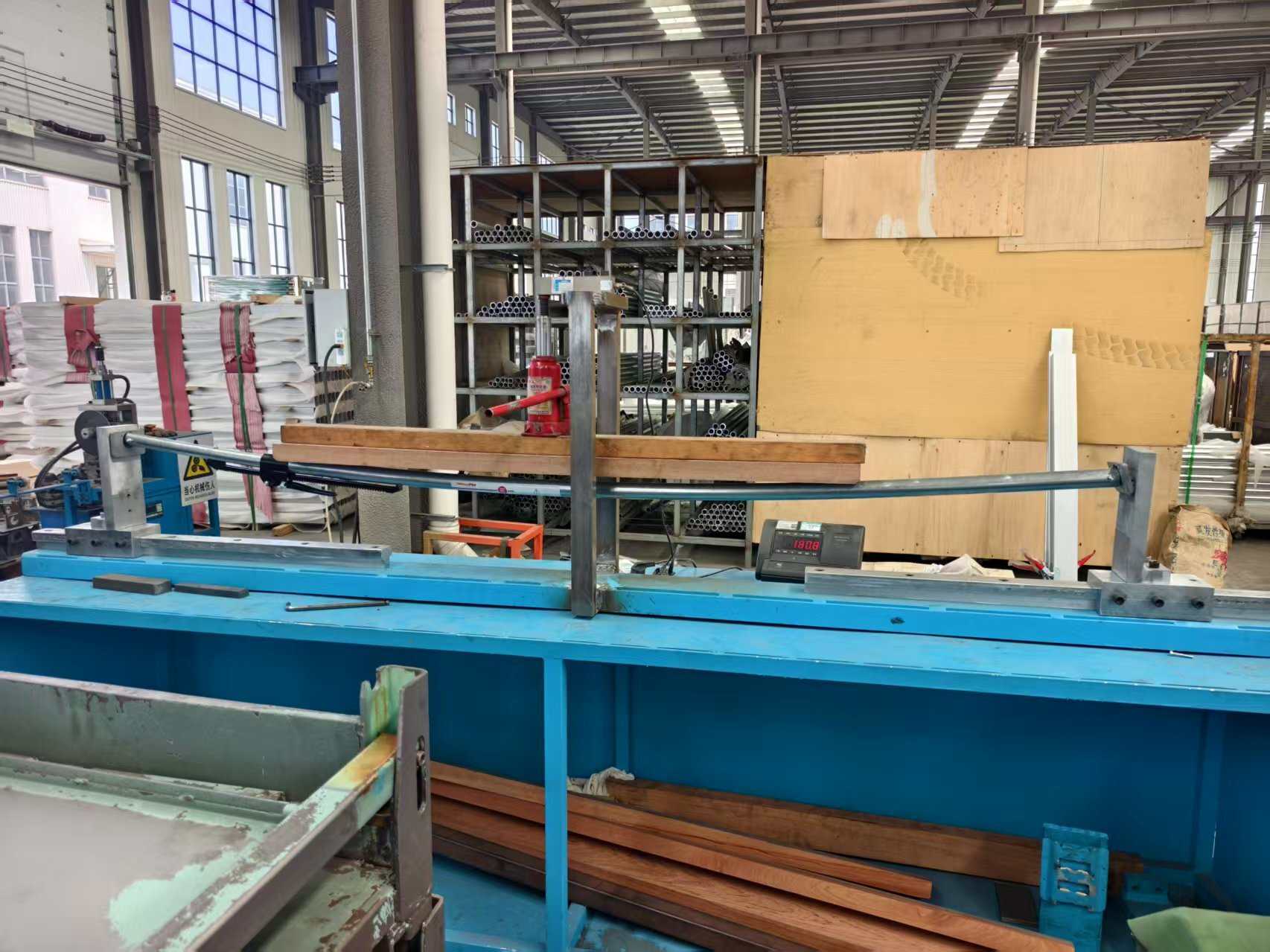
Poorly built cargo bars can ratchet loose from constant road vibration. Thin tubing bends under load, and cheap rubber pads slide easily on damp trailer surfaces.
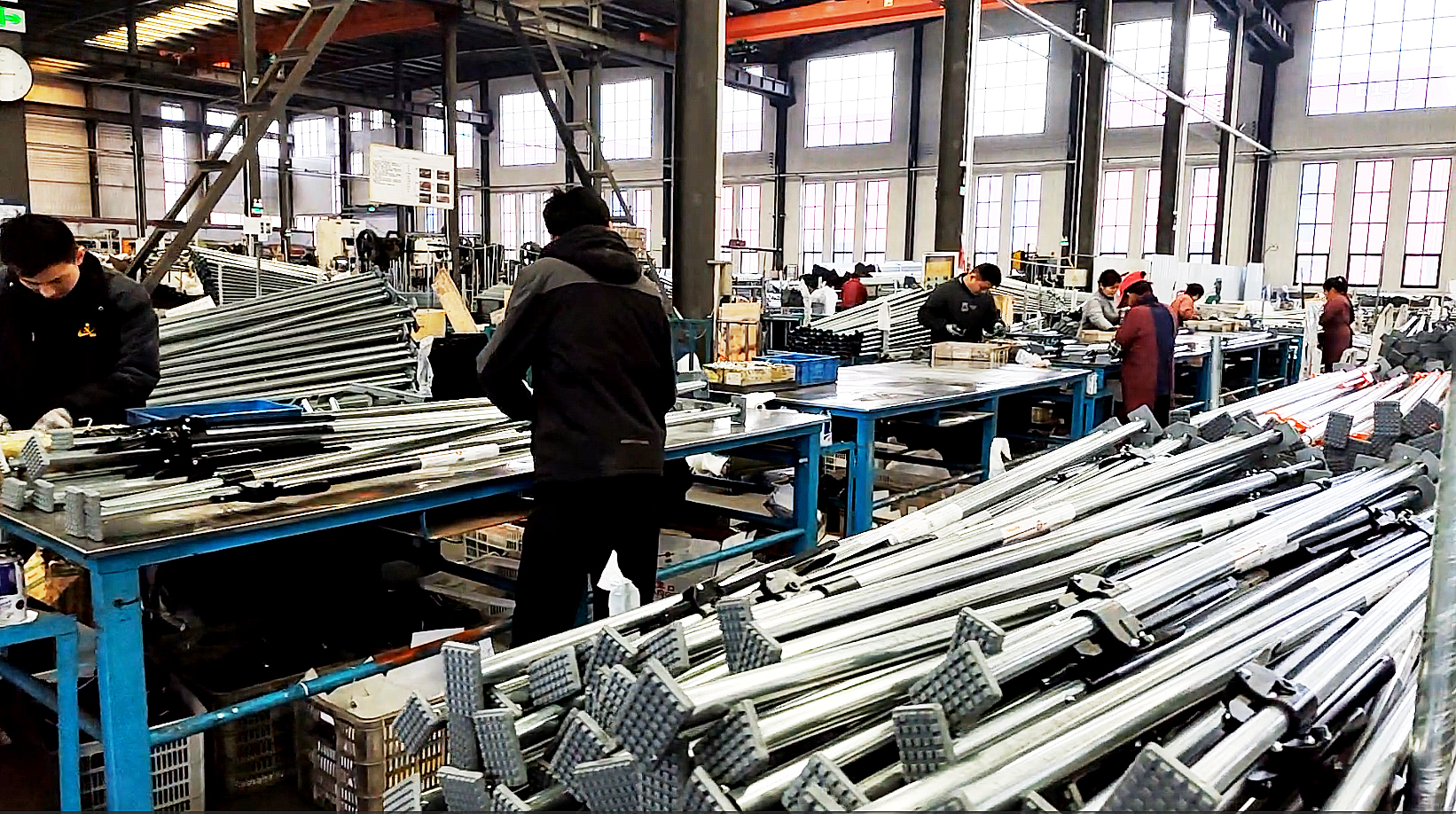
Goldenlinkpro builds heavy-duty adjustable cargo bars and E-track-compatible shoring beams at our Cambodia facility. We offer multiple length ranges, steel or aluminum construction, and heavy-grip rubber pad options for dry van and reefer applications. Our bars and beams are engineered for daily, repeated use by fleets and 3PL operators.
A: Not fully interchangeable. Standard telescoping cargo bars work without E-track. Shoring / logistic beams lock into E-track or L-track. If your trailer has no track installed, shoring beams cannot be used.
A: WLL depends on your cargo weight and blocking configuration. Always match the beam rating to the force your freight can exert during braking. Follow FMCSA securement guidelines for your commodity type.
A: No. Cargo bars and shoring beams are designed for blocking and bracing freight movement, not lifting or supporting suspended weight. Misuse can cause sudden failure and serious injury.
A: Inspect pads before every trip. Replace them immediately if they are cracked, hardened, greasy or worn smooth. Worn pads lose grip and make bars slip under transit vibration.
Final Takeaway
Cargo bars and shoring beams are simple but effective tools for load securement inside enclosed trailers. They cut freight damage, lower insurance claims, and help your fleet stay aligned with FMCSA securement rules. Investing in well-rated, durable bars and beams means fewer damaged shipments and safer runs for your drivers.
laisser un message
Scannez vers WeChat/WhatsApp :

